
This Week in American History — November 2, 1920
On November 2, 1920, Americans went to the polls to elect their next president. The candidates were Warren G. Harding, a Republican from Ohio, and James M. Cox, a Democrat from the same state. But something extraordinary distinguished this election from every presidential contest that had come before it.
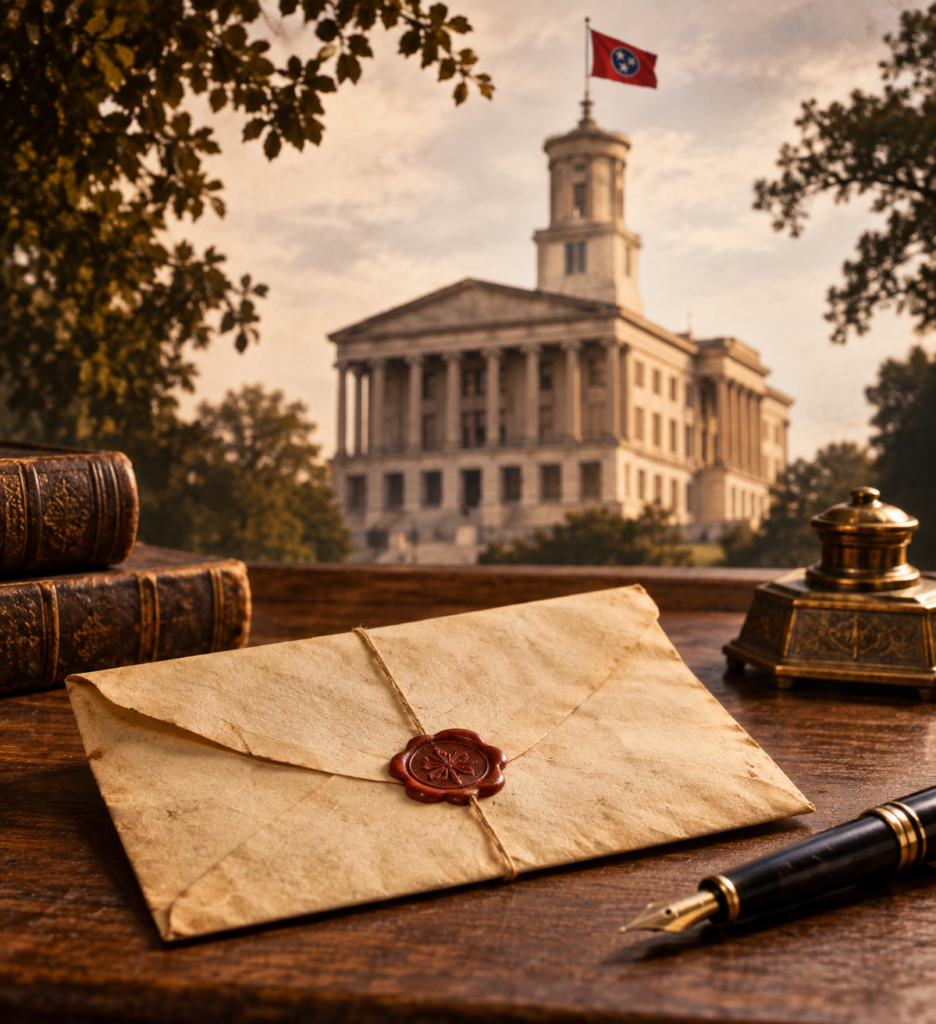
Remarkably, one of the events that helped make this election historic involved a twenty-four-year-old Tennessee legislator and a letter from his mother. Just weeks earlier, that young man’s vote had helped settle a constitutional struggle that had divided Americans for generations. His mother’s advice would become part of one of the most memorable stories in the history of women’s suffrage.
For the first time in American history, women throughout the United States could vote in a presidential election without being excluded simply because they were women.
It had taken more than seventy years of organized campaigning to reach this moment. The movement had gained national attention at Seneca Falls, New York, in 1848, when women gathered to challenge the laws and customs that denied them equal political participation. Leaders such as Elizabeth Cady Stanton and Susan B. Anthony would spend much of their lives advancing a cause they would never live to see completed.
The struggle was not without opposition. Some argued that politics belonged to men, while others feared that women’s participation would undermine the traditional family structure. Yet women were already contributing to American society as educators, business owners, reformers, and community leaders. The question became increasingly difficult to avoid: Why should those who helped build and sustain the nation have no equal voice in choosing its government?
Progress came gradually. Several western states granted women voting rights long before the federal government acted. By 1916, women could participate in presidential elections in eleven states. But the campaign for a nationwide constitutional guarantee continued.
Then came an extraordinary political drama in Tennessee.
In August 1920, thirty-five states had ratified the proposed Nineteenth Amendment. One more was needed. Tennessee became the center of national attention as supporters and opponents descended upon Nashville.
Inside the Tennessee House of Representatives, the contest was extraordinarily close. A twenty-four-year-old legislator named Harry Burn, previously counted among the amendment’s opponents, had received a letter from his mother urging him to support women’s suffrage.
When the decisive vote came, Burn voted in favor. Tennessee ratified the amendment on August 18, becoming the thirty-sixth state to do so. Eight days later, the amendment was formally certified.
One can only imagine the satisfaction of women who had spent decades petitioning, marching, and campaigning for a voice in their own government. Many of the movement’s earliest champions had died before witnessing its success.
When Americans returned to the polls that November, more than eight million women participated. Harding won the presidency in a landslide, but the more enduring story was the transformation of the American electorate.
The Nineteenth Amendment did not immediately remove every barrier to voting. Discriminatory laws and practices continued to prevent many African American women and other minority citizens from exercising their rights. Those struggles would continue for decades.
The election of 1920 marked a profound constitutional milestone.
The American experiment had always rested upon the principle that legitimate government derived its authority from the consent of the governed. Yet throughout its history, the nation had struggled to reconcile that principle with the limits it placed upon political participation.
The women who entered polling places in November 1920 were not simply exercising a newly protected right. They were helping America move closer to one of its founding ideals.
And perhaps that leaves us with a question worth considering more than a century later.
If the right to vote was important enough for generations of Americans to struggle for, how seriously should we regard our responsibility to exercise and preserve it today?